Dental Veneers for Chipped & Cracked Teeth in Peoria, AZ
Key Takeaways
- Dental veneers can cover small chips and some surface cracks on front teeth.
- Veneers improve the look of a tooth, but they may not be strong enough for a tooth with major damage.
- Dental bonding can repair small chips, while a crown may be a better choice for a tooth with deeper damage.
- Healthy teeth and gums are important before getting veneers.
- If you have a cracked tooth, your dentist should check it first to make sure there is no deeper damage.
A chipped or cracked front tooth can make you feel self-conscious when you smile, talk, or take a photo. If you're dealing with a damaged tooth, you may be wondering if dental veneers can make it look whole again.
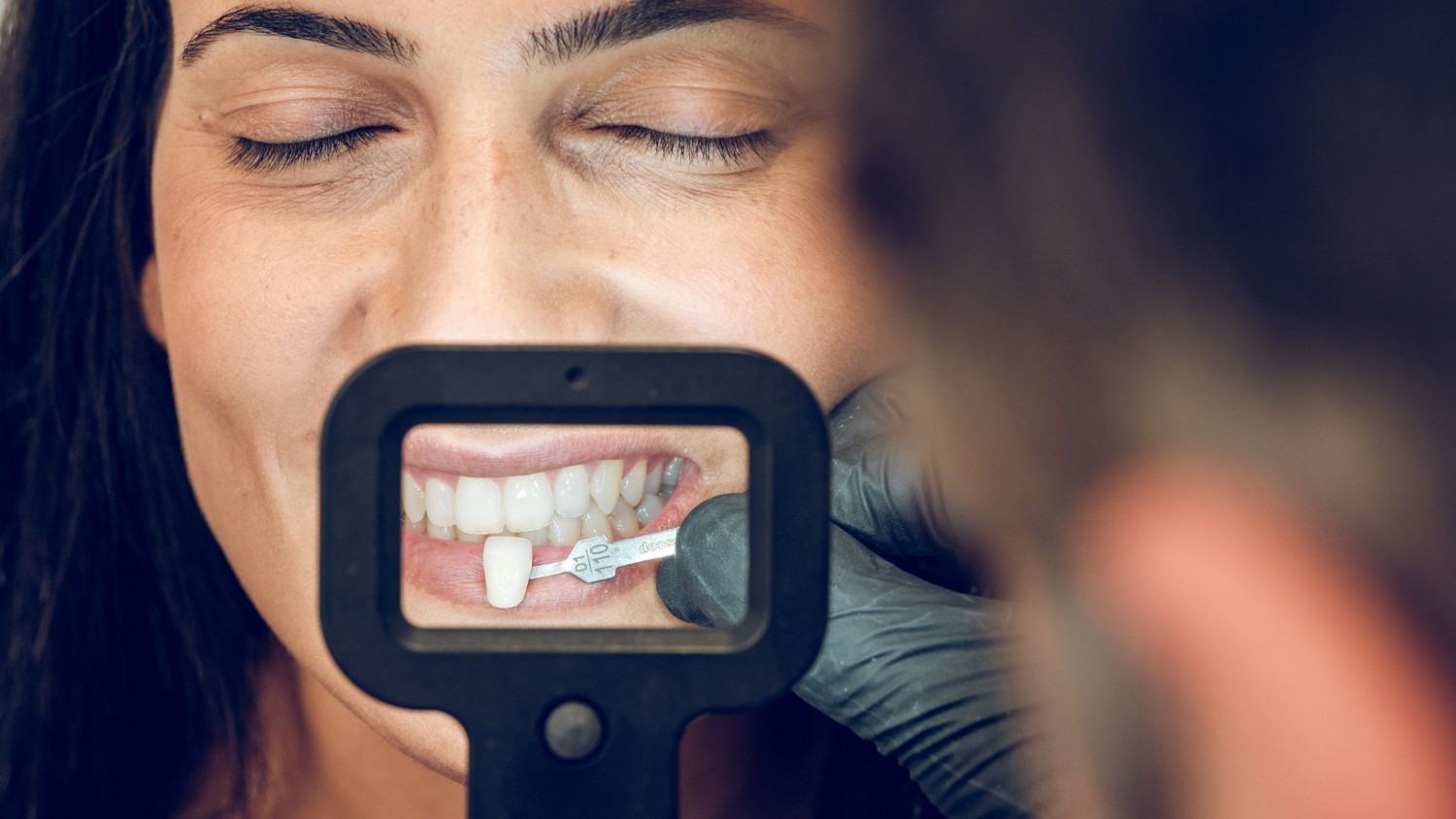
Dental veneers are thin coverings that are placed on the front of a tooth. They can hide small chips, surface cracks, stains, and other changes in the way a tooth looks. But veneers are not the right choice for every cracked or damaged tooth.
If you're considering dental veneers in Peoria, AZ, the first step is to have your tooth checked by a dentist. We, at Pleasant Dental, can look at the damage and explain whether a veneer, bonding, crown, or another treatment may be right for you.
What This Blog Covers
- Can veneers fix a chipped or cracked front tooth?
- How do veneers improve the look of damaged teeth?
- Veneers vs. bonding vs. crowns: Which is right for you?
- Porcelain vs. composite veneers: What's the difference?
- Who can get dental veneers?
- When does a cracked tooth need more than a veneer?
- What happens during a veneer consultation in Peoria, AZ?
- How do you care for veneers after treatment?
- FAQs about veneers for chipped and cracked teeth
Can I get veneers for a cracked front tooth?
Yes, veneers can improve the look of some chipped or cracked front teeth. These thin coverings are bonded to the front of the tooth to hide small chips, surface cracks, stains, and other flaws.
Veneers may not work for teeth with deep cracks, large breaks, decay, or other serious damage. Our dentist can examine the tooth and recommend the right treatment, such as bonding, a veneer, or a crown.
How do veneers cover chips and cracks?
Veneers can give chipped or damaged front teeth a smoother, more even appearance. We will match the veneer to the color and shape of your natural teeth, helping it blend into your smile.
What Veneers Can Cover
Veneers may help improve:
- Small chips on the edges or corners of front teeth
- Some surface cracks
- Stains that do not respond to whitening
- Uneven or worn-down teeth
- Small gaps or minor shape concerns
What Veneers Cannot Fix
Veneers are not designed to treat serious tooth damage. They may not be suitable for:
- Deep cracks
- Large breaks or missing areas of the tooth
- Untreated cavities
- Damage that affects the inside of the tooth
Our team at Pleasant Dental Care will check any cracked or damaged tooth before you choose a veneer. This helps make sure the tooth is healthy enough for cosmetic treatment.
Veneers vs. Bonding vs. Crowns: What's the Difference?
The best treatment depends on how much your tooth is damaged and what you want to change. Here’s a simple look at the main options:
|
Treatment |
Often used for |
Main benefit |
|
Bonding |
Small chips and minor flaws |
Quick and usually requires little tooth preparation |
|
Veneers |
Cosmetic changes to front teeth |
Covers the front of the tooth for a more even smile |
|
Crowns |
Teeth with more serious damage |
Covers and protects most of the tooth |
Dental bonding can be a good option for a small chip or minor change. Veneers may be considered when you want to improve the look of one or more front teeth. Crowns are often used when a tooth needs more protection because of major damage.
We will examine your tooth and help you understand which option fits your needs.
Porcelain vs. Composite Veneers: What's the Difference?
Both porcelain and composite veneers can improve the look of chipped or damaged front teeth. The main differences are how they look, how long they last, and how they are placed.
|
Feature |
Porcelain Veneers |
Composite Veneers |
|
Appearance |
Very natural-looking |
Natural-looking |
|
Stain resistance |
More resistant to stains |
More likely to stain over time |
|
Treatment time |
Usually takes more than one visit |
Often completed in one visit |
|
Durability |
Can last 10–15 years or longer with good care |
Often lasts about 5–7 years |
|
Repairs |
May need to be replaced if damaged |
Can often be repaired |
|
Cost |
Usually costs more |
Usually costs less |
Porcelain veneers may be a good choice if you want a long-lasting, stain-resistant result. Composite veneers may be a good option if you want a faster or more affordable treatment.
We will help you compare both options based on your teeth, smile goals, and budget.
Who Is a Good Candidate for Veneers?
Veneers may be an option if you want to improve the look of chipped, stained, or uneven front teeth. Before treatment, we will check that your teeth and gums are healthy.
You may be a good candidate if you:
- Have healthy teeth and gums
- Have enough healthy enamel for the veneer to bond to
- Brush and floss regularly
- Do not have untreated cavities or gum disease
- Do not have untreated teeth grinding or clenching
If you grind or clench your teeth, our team may suggest a nightguard to help protect your veneers. Any cavities or gum problems should also be treated before veneers are placed.
The best way to know if veneers are right for you is to have us examine your teeth.
When Does a Cracked Tooth Need More Than a Veneer?
Not every cracked tooth can be treated with a veneer. A small surface crack may only affect the way your tooth looks, but a deeper crack can weaken the tooth and cause pain.
Visit us if you have:
- Pain when biting or chewing
- Sensitivity to hot or cold foods and drinks
- A crack that extends below the gumline
- A large piece of the tooth that has broken off
- Ongoing pain or swelling
If the crack has reached the inside of the tooth, you may need treatment such as a root canal and crown. Our team will check the crack and recommend the safest way to treat the tooth.
If you have a painful or cracked tooth, don't wait for it to get worse. Get it checked before considering a veneer.
What to Expect at a Veneer Consultation in Peoria, AZ
Your first veneer visit is a chance to talk about your smile and find out if veneers are right for you.
Our team will:
- Check your teeth and gums for cavities, gum problems, cracks, or other concerns.
- Look at your bite to make sure veneers are a good fit for your teeth.
- Discuss your goals for the shape, color, and look of your smile.
- Take X-rays, photos, or digital scans if needed.
- Explain your options, including veneers, bonding, or crowns.
- Discuss the cost and treatment plan before you decide to move forward.
If you have healthy teeth and gums and veneers are a good fit for your needs, we will explain the next steps.
Come prepared with questions about the treatment, cost, how long veneers may last, and how to care for them. This visit is your chance to make sure you understand your options before making a decision.
How to Care for Veneers After Treatment
Taking care of your veneers is similar to caring for your natural teeth. Good daily habits can help your veneers stay clean and looking their best.
- Brush twice a day with a soft-bristled toothbrush and non-abrasive toothpaste.
- Floss every day to keep your gums healthy.
- Avoid chewing ice or very hard foods that could damage your veneers.
- Never use your teeth as tools to open packages or bite hard objects.
- Wear a nightguard if our team recommends one for grinding or clenching.
- Visit our clinic regularly so we can check your veneers and overall oral health.
With good care and regular dental visits, your veneers can last for many years.
FAQs About Veneers for Chipped and Cracked Teeth
Q. Can veneers fix a chipped tooth?
A. Veneers can improve the look of some chipped front teeth. For very small chips, we may also recommend bonding.
Q. Can veneers fix a cracked tooth?
A. Veneers may cover some small surface cracks. A deeper crack may need a different treatment, such as a crown or root canal. Your dentist should check the tooth first.
Q. Are veneers or bonding better for chipped teeth?
A. It depends on the size of the chip and your goals. Bonding is often a simple choice for small chips, while veneers may be considered for larger cosmetic changes.
Q. When does a cracked tooth need a crown?
A. A crown may be recommended when a tooth has more serious damage and needs extra protection. Our team will check the crack before choosing a treatment.
Q. What is the difference between porcelain and composite veneers?
A. Porcelain veneers are more stain-resistant and can last many years with good care. Composite veneers usually cost less and can often be placed in one visit.
Q. How long do dental veneers last?
A. Porcelain veneers can often last 10 to 15 years or longer with good care. Composite veneers may last around 5 to 7 years. Your results can vary based on your oral health and daily habits.
Q. Are veneers permanent?
A. Veneers are a long-term treatment, but they do not last forever. Some enamel may be removed when veneers are placed, so talk to us about what this means for your teeth before treatment.
Dental Veneers in Peoria, AZ
If you have a chipped or cracked front tooth, a dental exam is a good place to start. We will check the tooth and help you understand whether veneers, bonding, a crown, or another treatment may be right for you.
If you're looking for dental veneers in Peoria, AZ, Pleasant Dental Care offers veneer treatment to improve the look of chipped, stained, or uneven teeth. You can learn more about the treatment and schedule a consultation.
Conclusion
A chipped or cracked front tooth does not always mean you need major dental work. Veneers can improve the look of some damaged teeth, while bonding or crowns may be better for other types of damage.
The best way to know which option is right for you is to have your tooth checked by our team. If you're considering dental veneers in Peoria, AZ, a consultation can help you understand your options and what to expect from treatment.